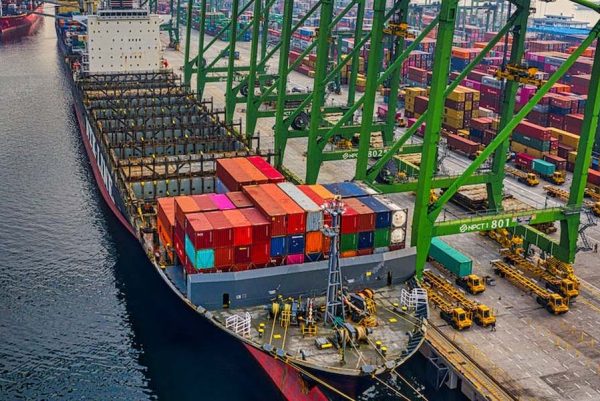

Ballast Water Treatment - WWT/BWTS
The management of ships’ ballast water is a process of vital importance in the shipping industry, as marine pollution at the biological level caused by organisms carried in a ship’s ballast water can have devastating consequences for the marine ecosystem. Popularly known by its acronym BWTS (Ballast Water Treatment System) or WWT (Water Ballast Traetment), a ship’s ballast system is regulated by the International Maritime Organization (IMO) through the Convention for the Control and Management of Ships’ Ballast Water and Sediments.
Without the control of ships’ ballast water, the introduction of aquatic microorganisms in different areas of the sea and in ports around the world can generate an environmental threat, where invasive species, i.e. non-native species, are introduced, making it essential to employ sustainable and effective solutions to reduce biological pollution by means of ballast water treatment systems or other filtering solutions taking into account the ballast water convention. The treatment of ships’ ballast water is carried out in three stages or ballasting operations: during ballasting at the port of discharge, during the voyage between ports and during de-ballasting of the ship at the port of loading.
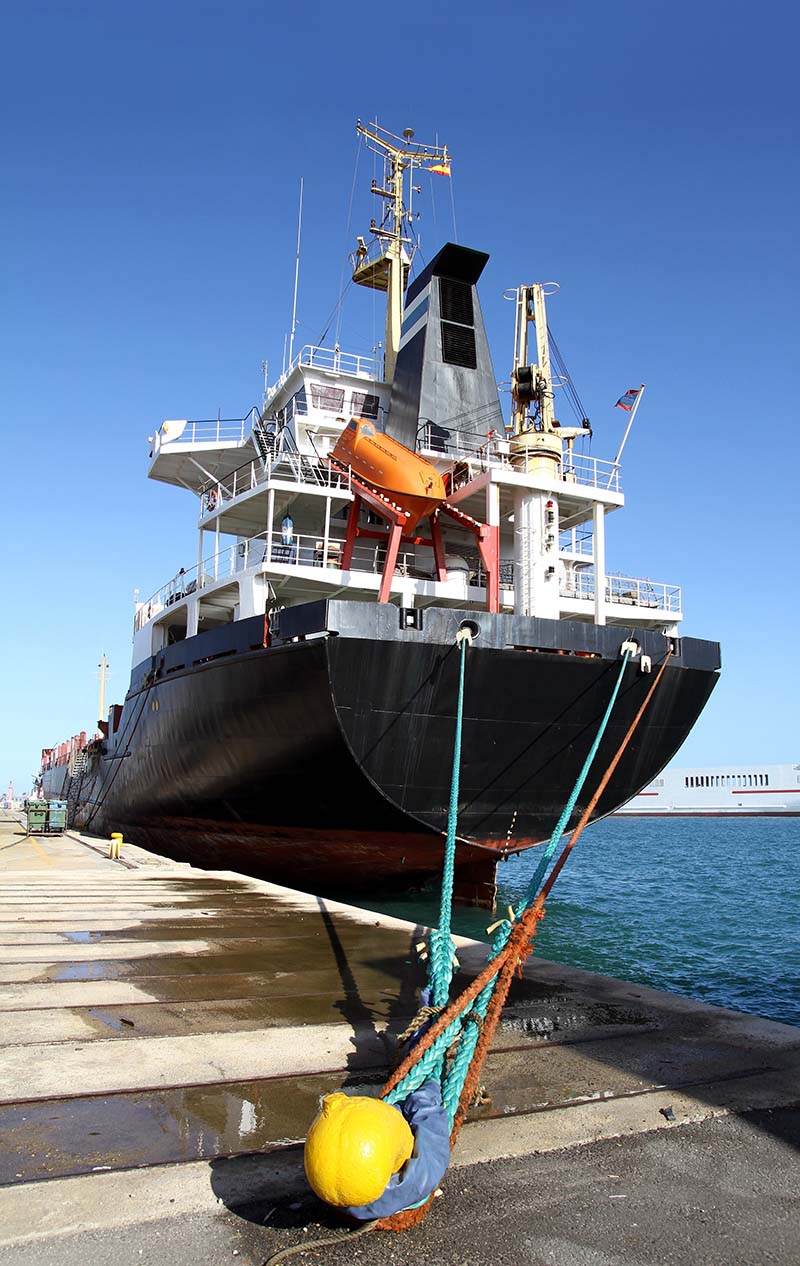
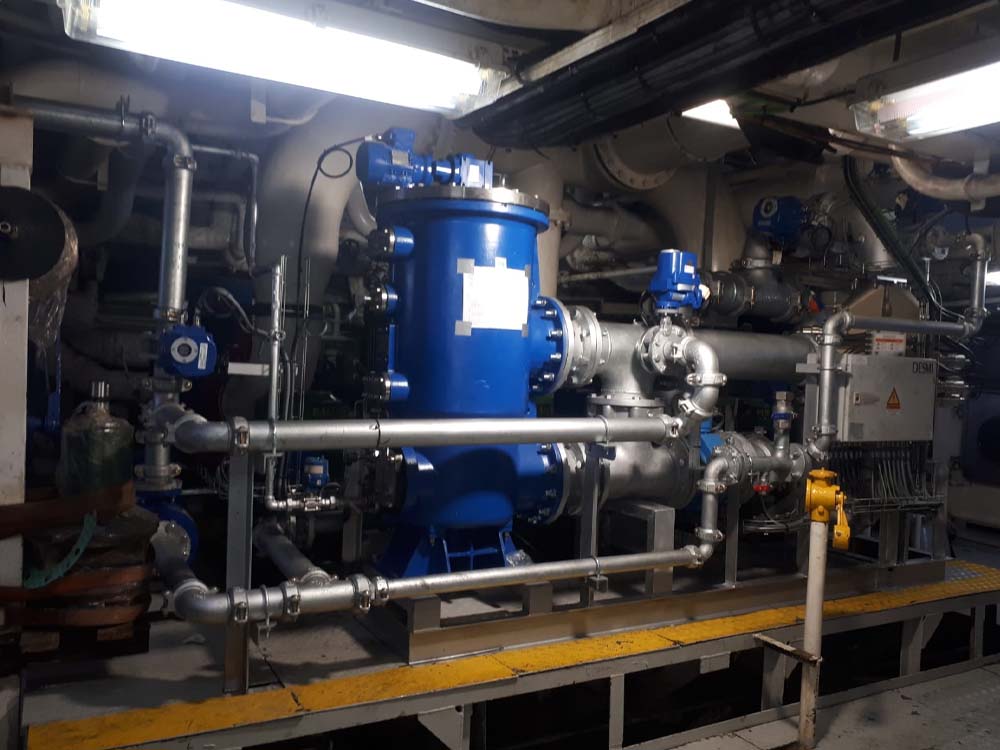
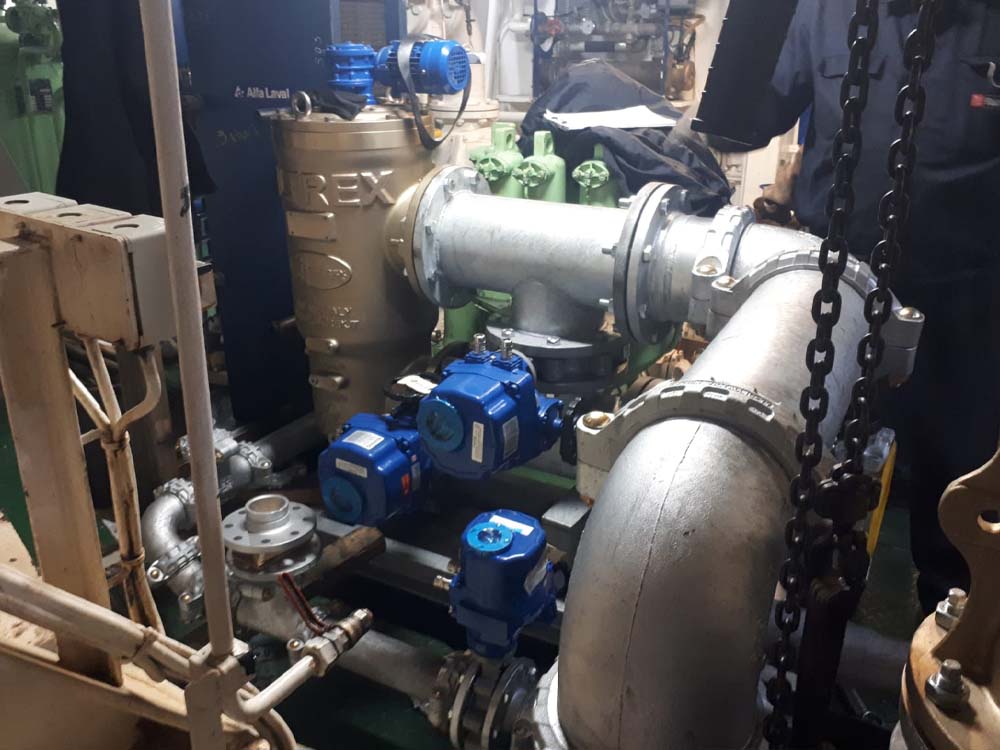
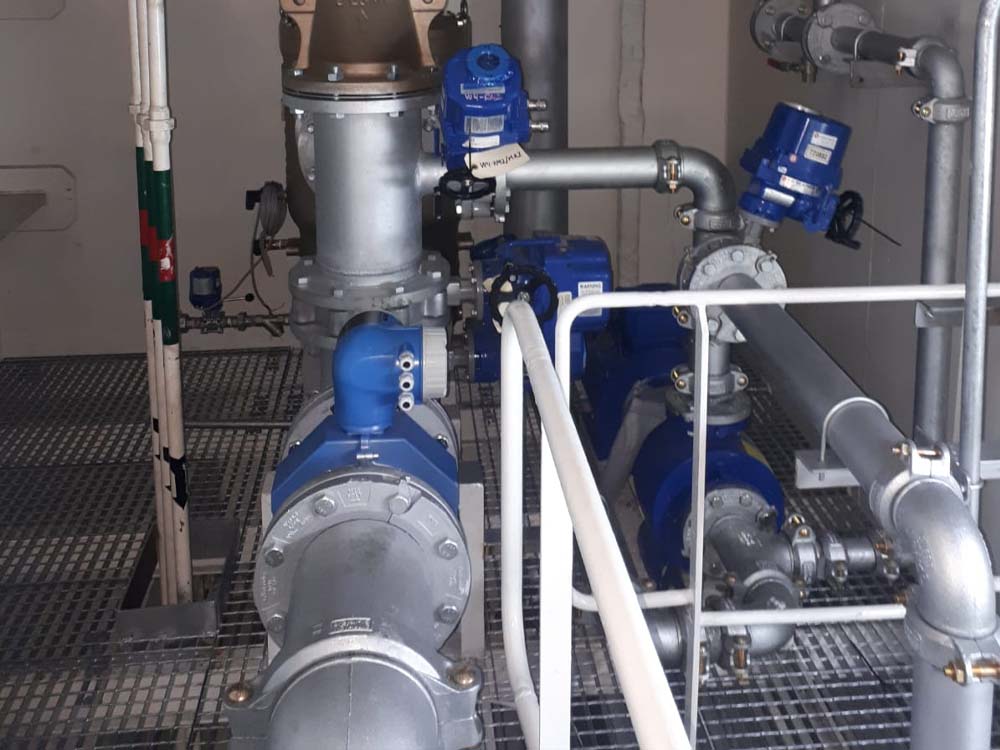
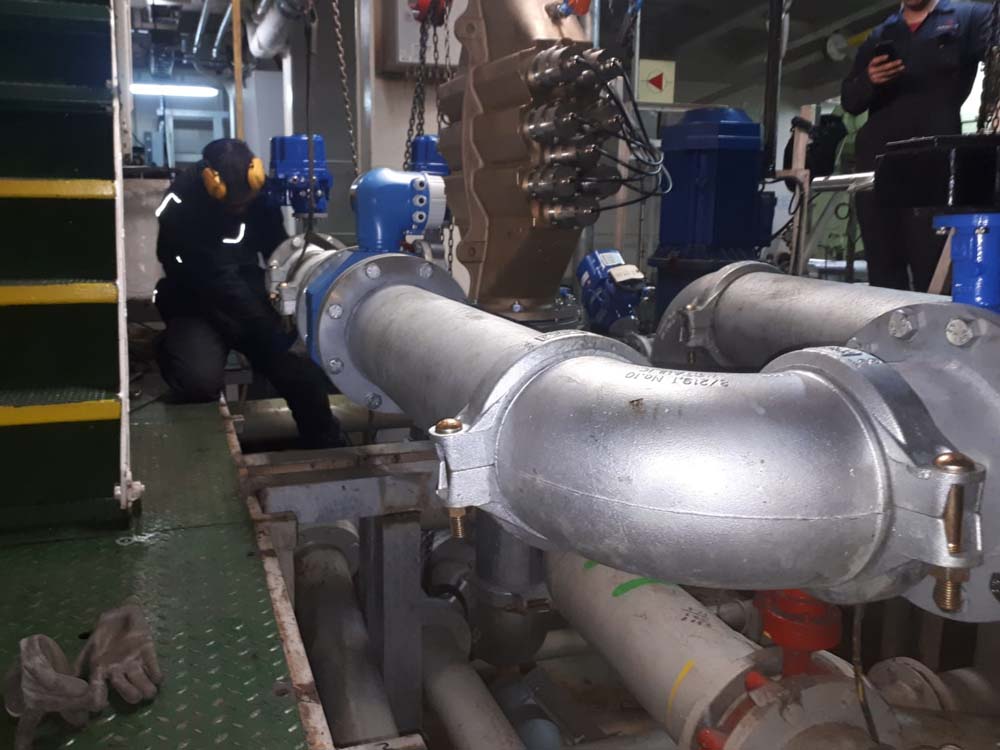
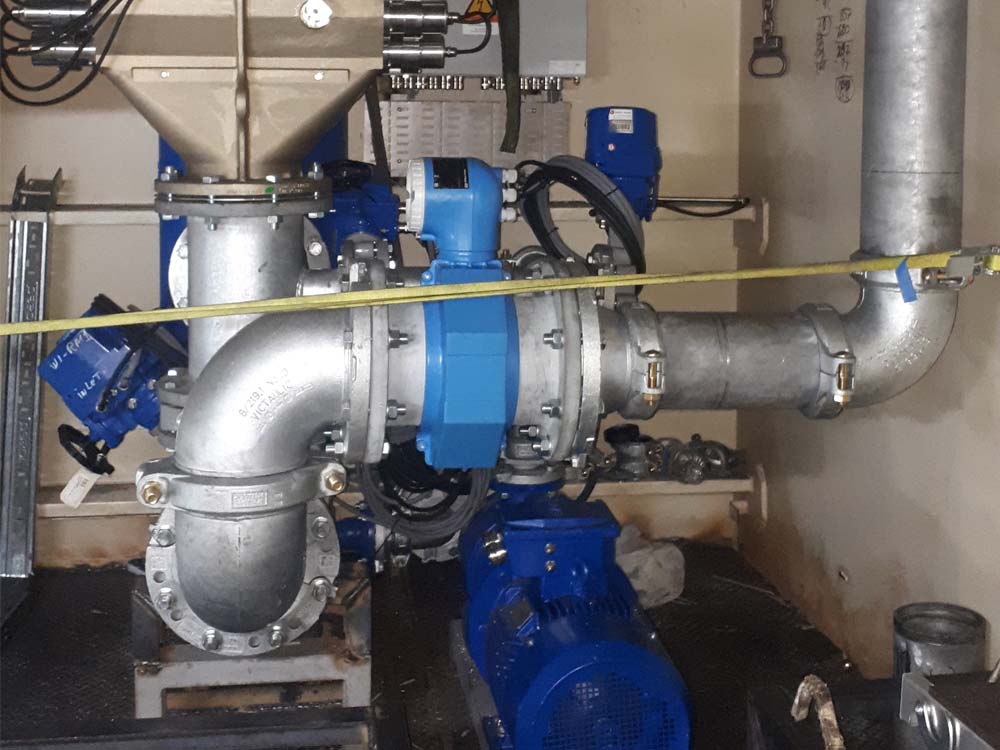
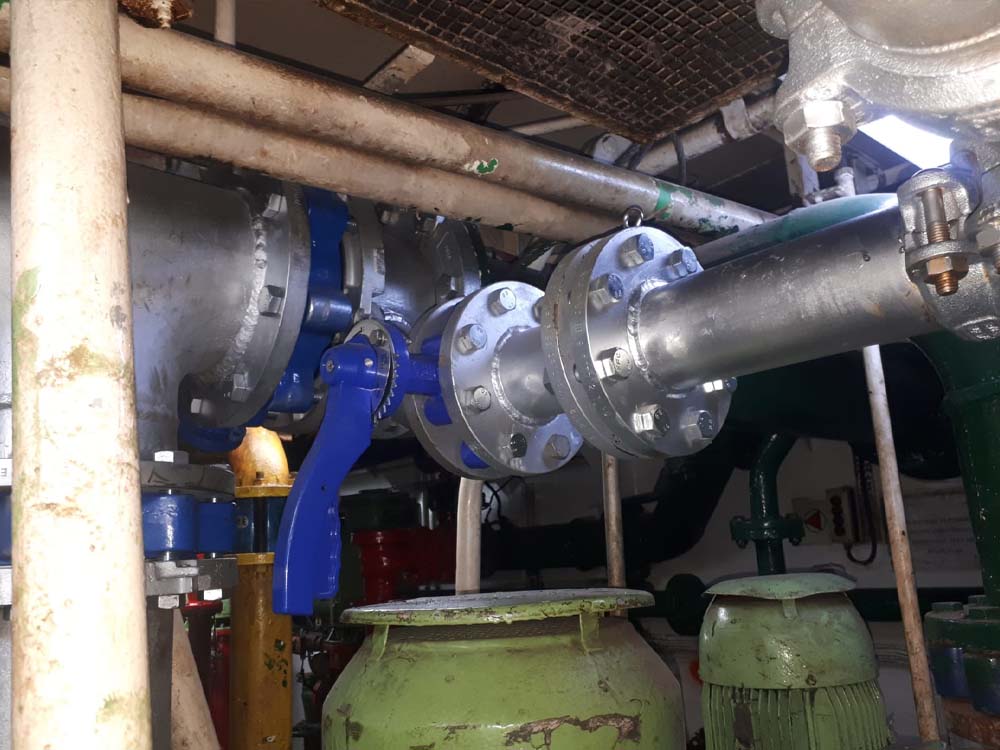
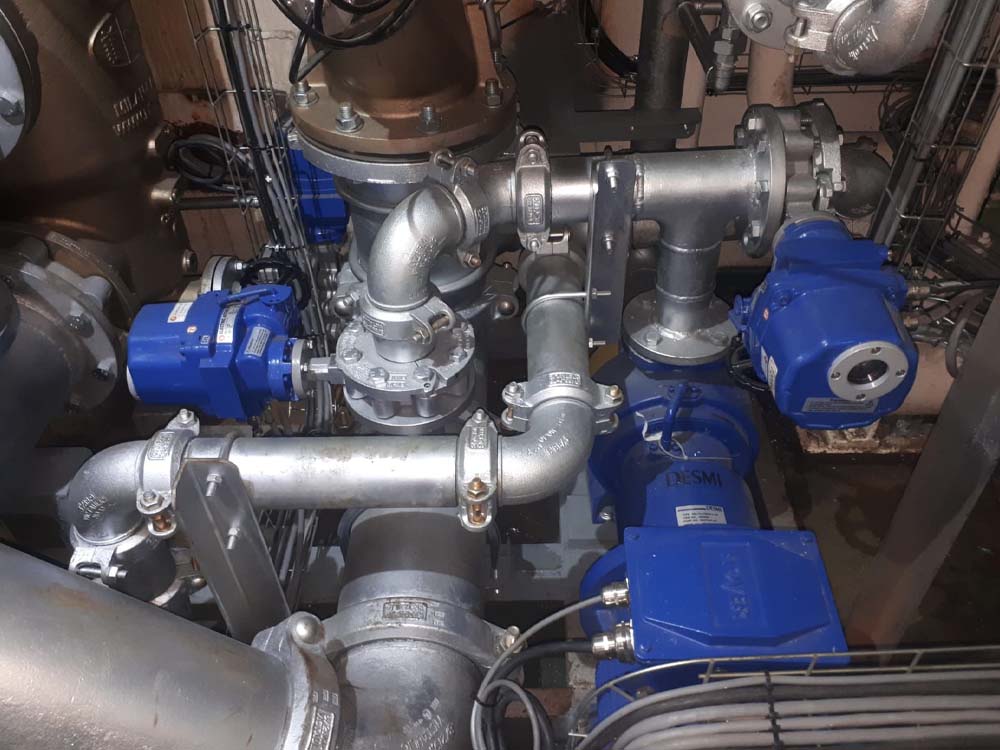
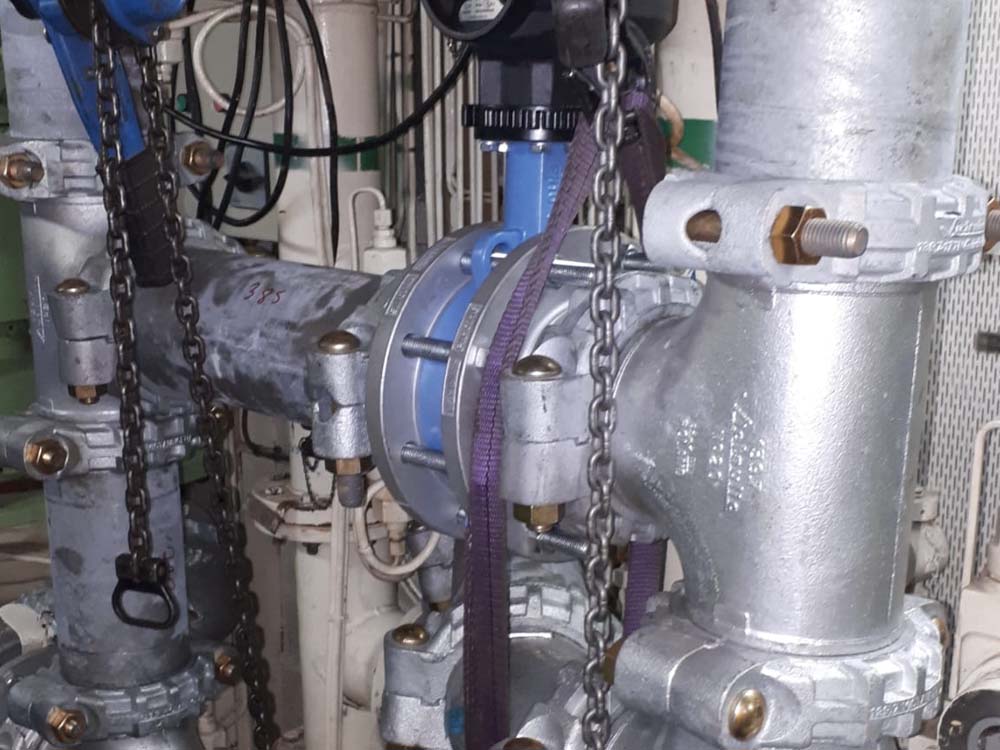
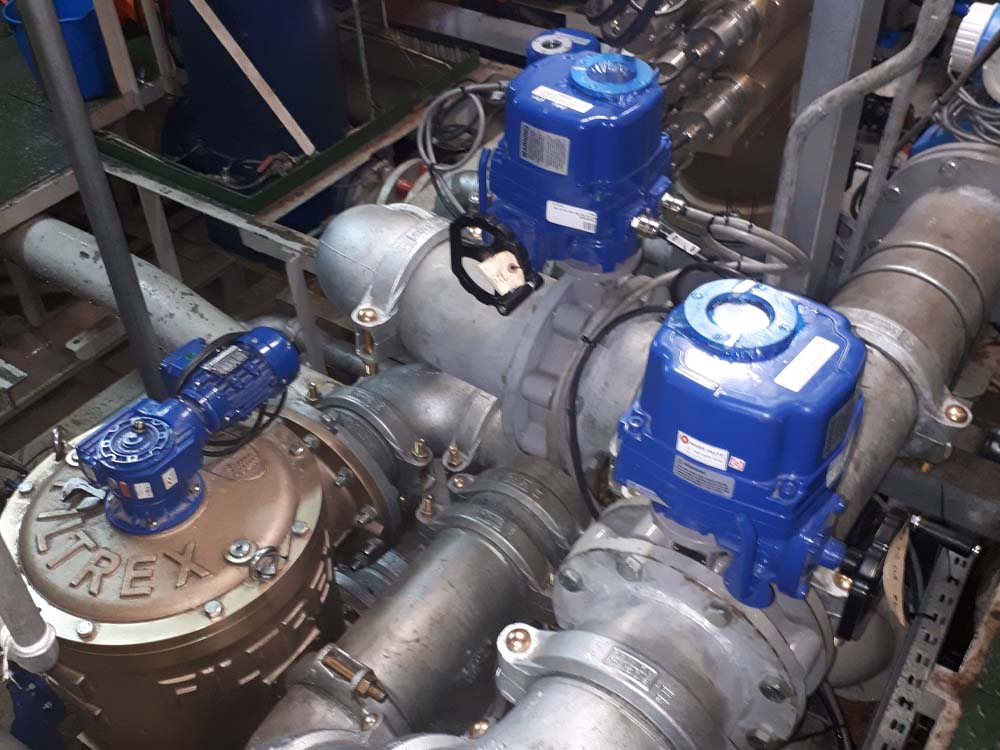
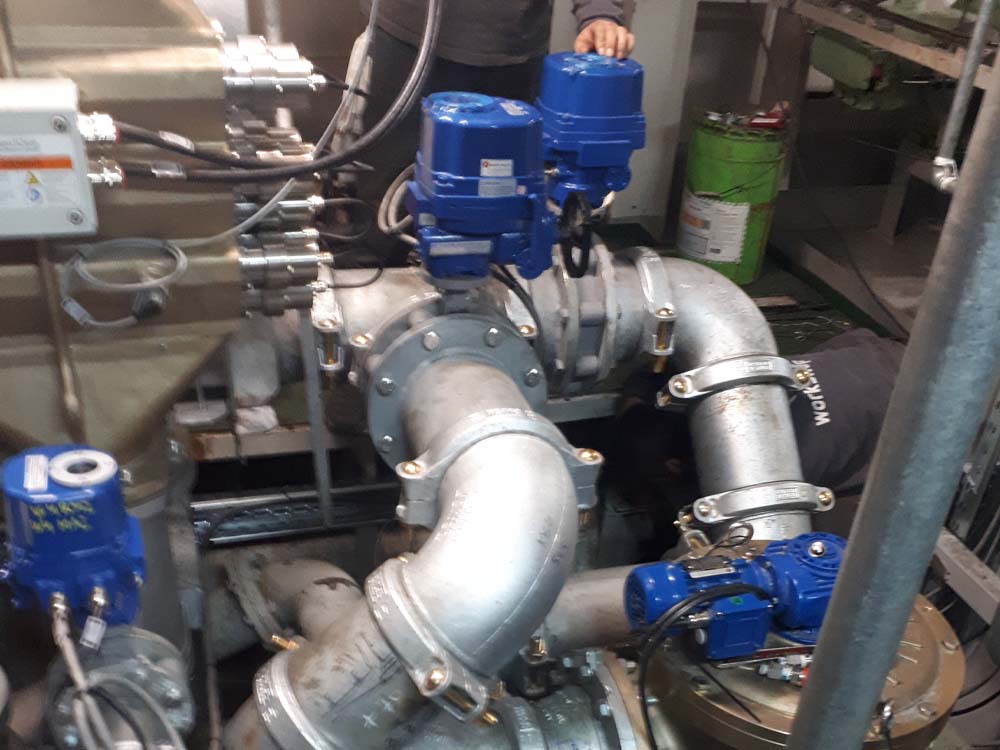
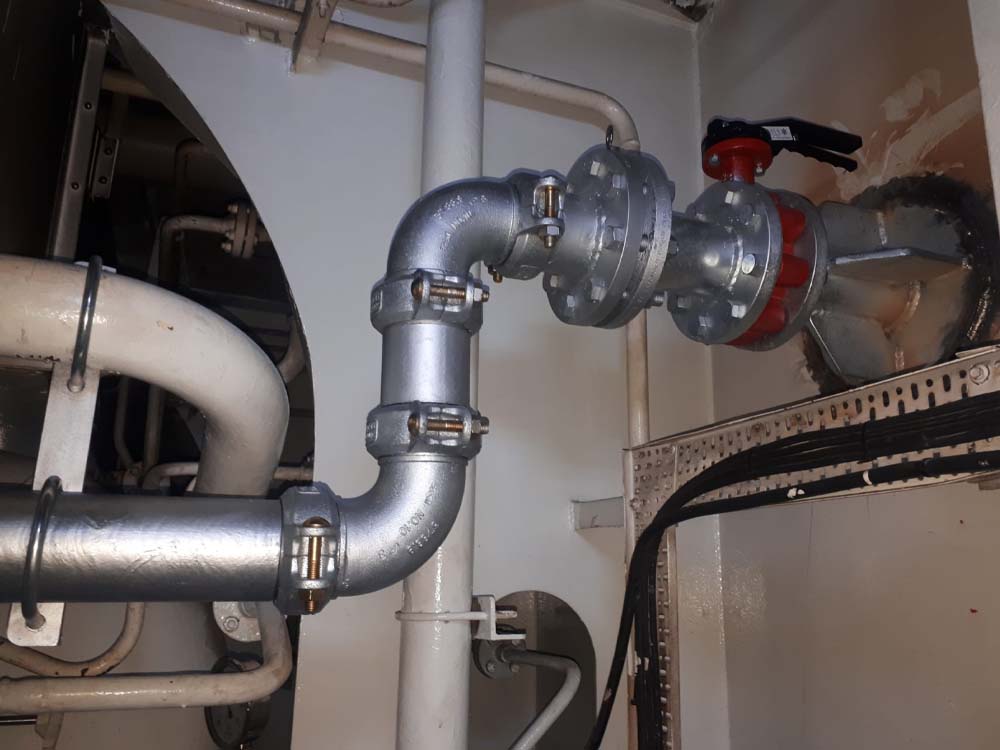
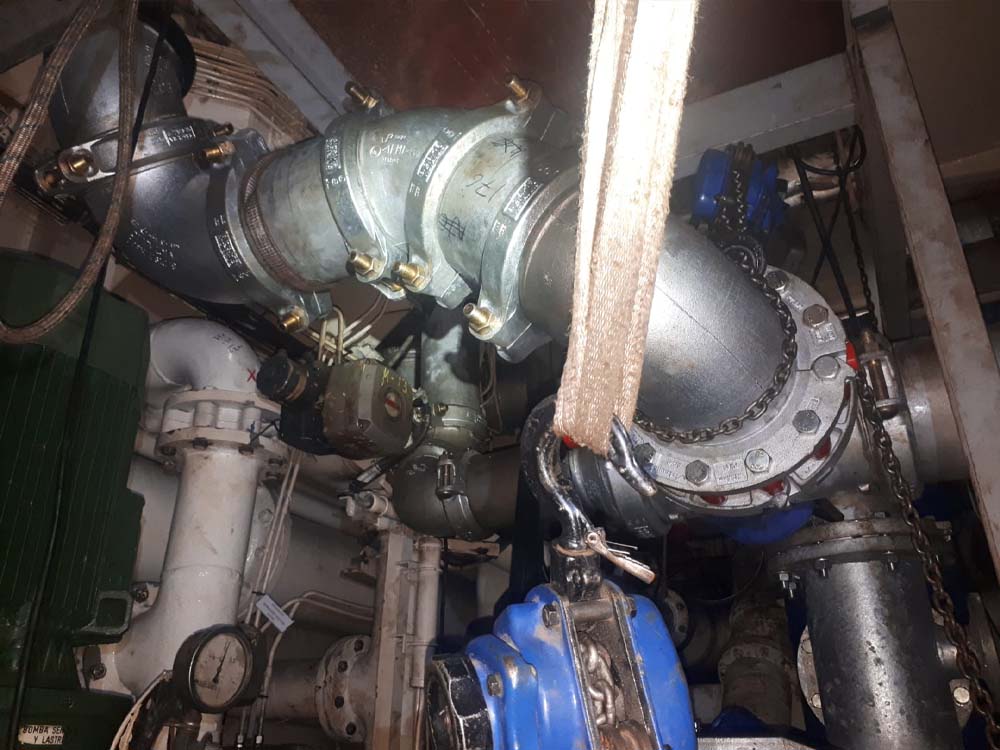
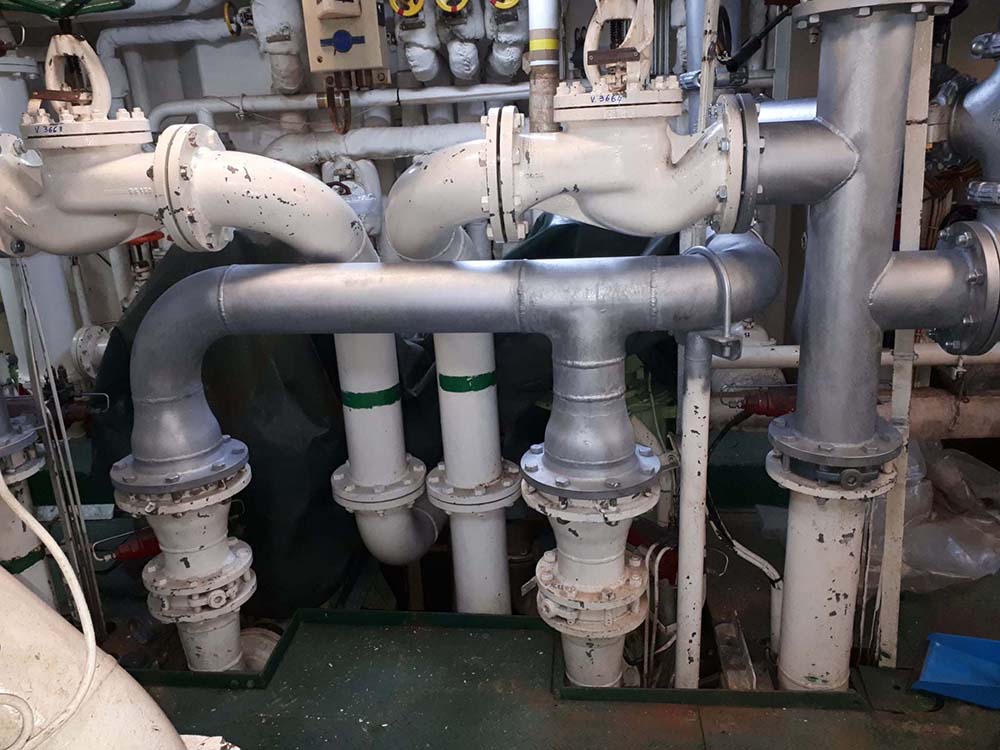
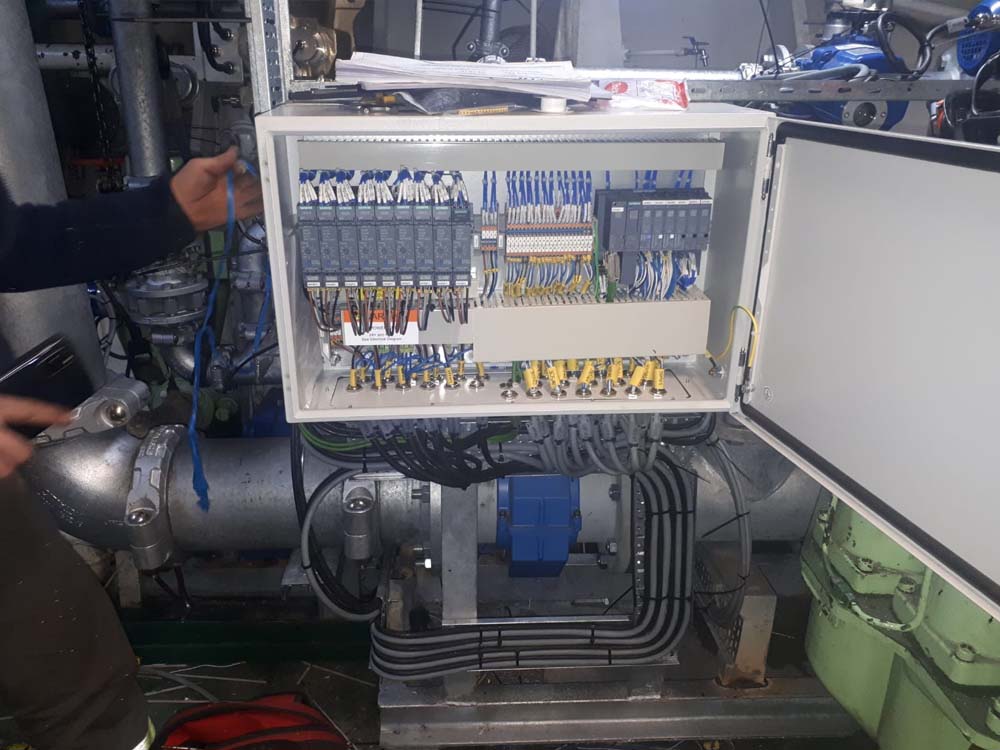
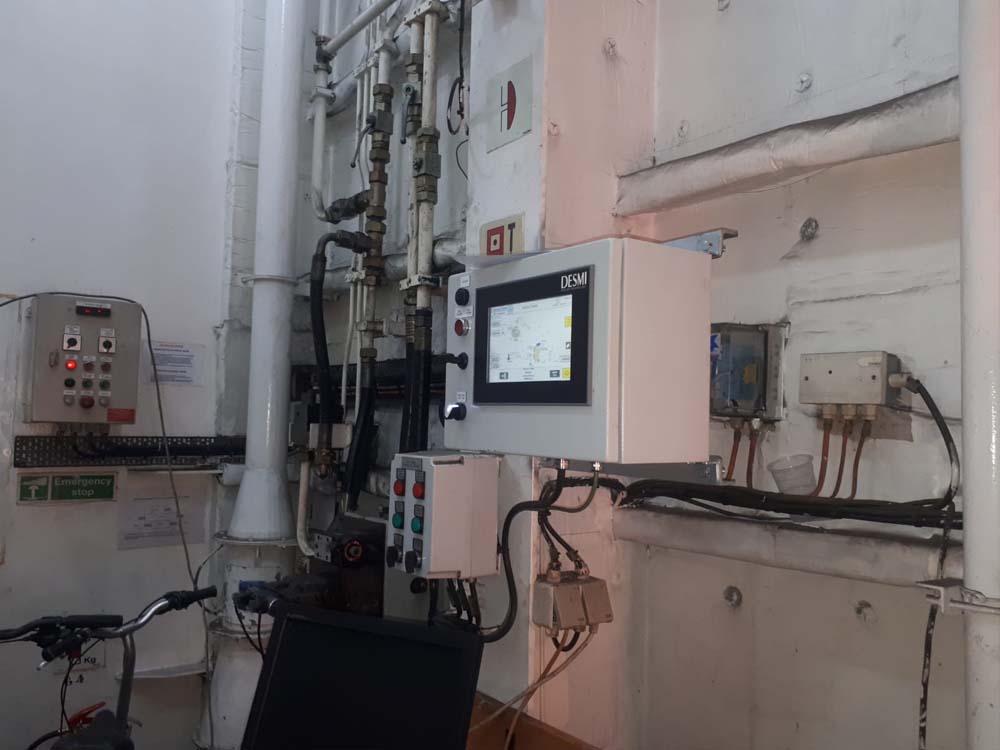
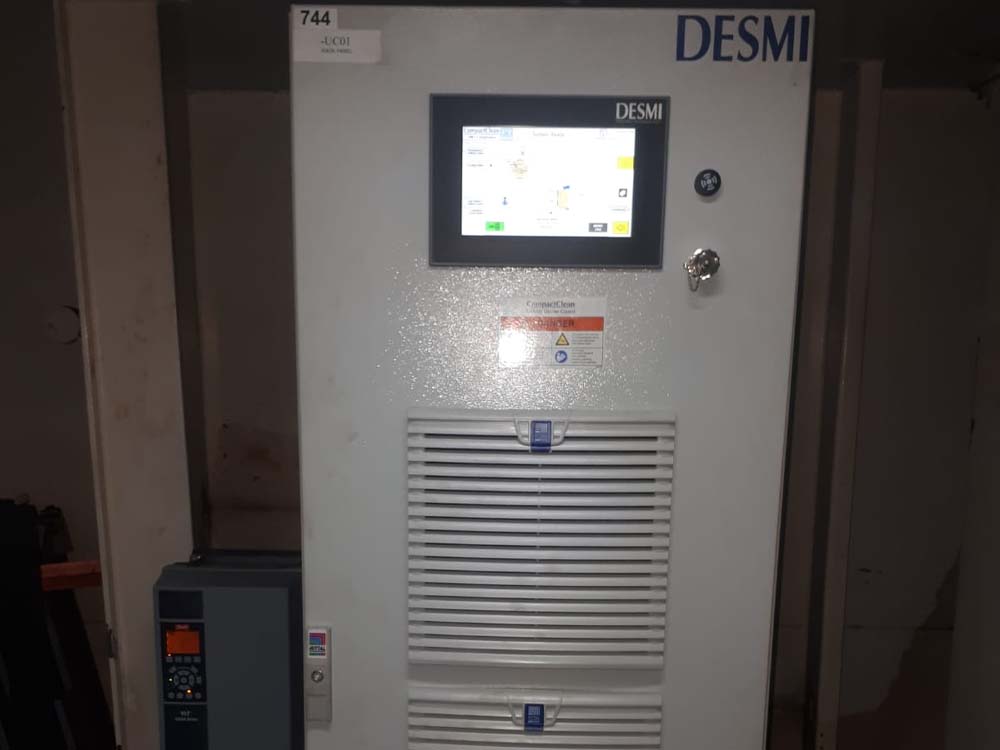
At mesac, s.l., as an independent partner, we do not represent any particular manufacturer or technology, so we adapt to any manufacturer’s ballast water installation project. Our technicians and marine engineers are able to get involved in any phase of the ballast system installation project and, together with the shipowner, lead to the most efficient ballast installation possible. To this end, we offer our support to the shipowner in basic ballast water projects, we participate in a complete turnkey installation of the ship’s ballast system.
In addition, we have the experience to carry out ballast water treatment system installations during navigation in coordination with the ship’s operation in order to save downtime on the part of the vessel. Being aware of the importance of a good ballast water management planning to adjust the level of intervention during the berthing period.
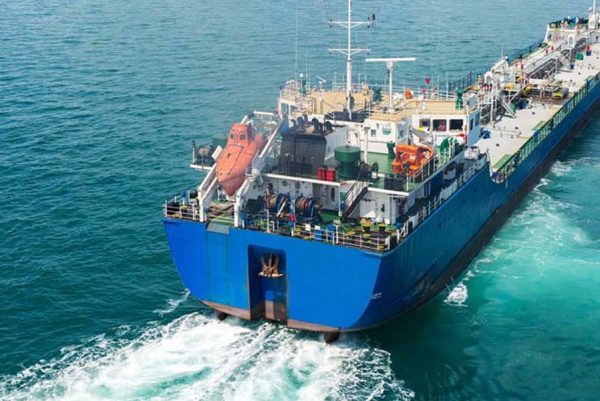
Ballast Water Treatment
Marine and cargo surveyors
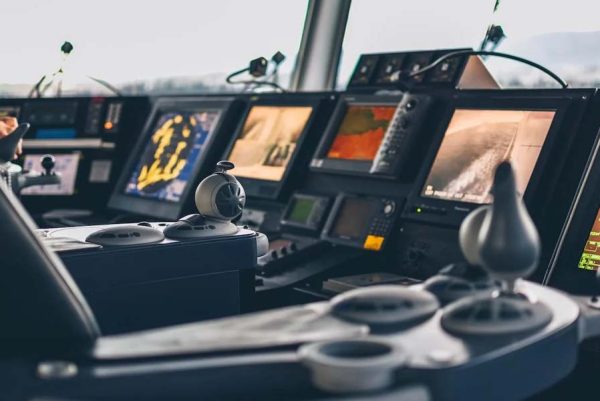
Recalibration services
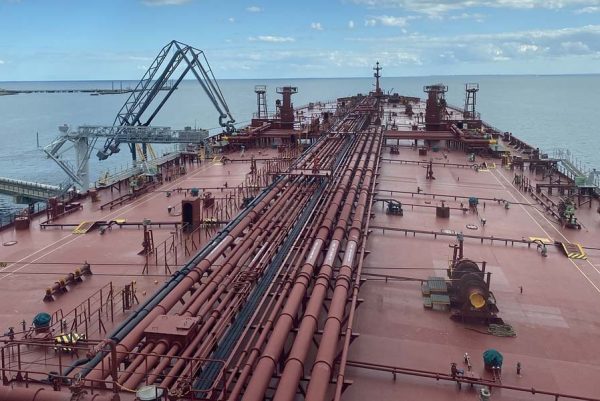
Vessels surveys